What Is Usui Reiki? Understanding the Traditional Japanese Practice
Reiki is a word many people have heard, but what does it actually mean? Where did it come from, and what happens when you receive a Reiki treatment or learn to practise Reiki yourself?
You might associate Reiki with a therapist placing their hands gently on someone, a feeling of warmth or relaxation, or perhaps the idea of working with energy. But Reiki is more than a treatment. It is also a practice with Japanese roots, a philosophy for everyday living and a way of developing greater awareness of ourselves and others.
As a Reiki Master Teacher, I enjoy helping people understand not only what Reiki is, but also the traditions and principles behind it. So, let's go back to the beginning and explore the practice of Usui Reiki.
Who was Mikao Usui?
Usui Reiki takes its name from Mikao Usui, a Japanese spiritual teacher who lived between 1865 and 1926.
Usui is recognised as the founder of the system known as Usui Reiki Ryōhō, which can be understood as the Usui method of Reiki practice or treatment.
He was interested in spiritual development, personal cultivation and the relationship between mind and body. Traditional accounts of his life describe a period of intensive spiritual practice and meditation on Mount Kurama, near Kyoto, in 1922.
According to the traditional account recorded on his memorial stone, Usui experienced a profound spiritual awakening during this period and developed the practice that became known as Usui Reiki Ryōhō.
Following this experience, he began sharing his teachings with others. In April 1922, he established a practice and teaching centre in Tokyo, where people could receive Reiki treatments and learn the method for themselves.
Usui's teachings attracted students who went on to continue and develop the practice after his death. One of his students, Chujiro Hayashi, played an important role in the development and teaching of Reiki. Hayashi later taught Hawayo Takata, who introduced Reiki to Hawaii and helped bring it to the Western world.
Today, Reiki is practised internationally, with many different schools and interpretations having developed over the years.
What does the word Reiki mean?
The word Reiki is made up of two Japanese characters:
Rei – often translated as universal, spiritual or sacred.
Ki – meaning life energy or vital energy.
Together, Reiki is commonly translated as universal life energy.
Different translations exist because the original Japanese characters carry meanings that cannot always be captured by a single English phrase.
Within Reiki practice, Ki is understood as the vital energy that flows through all living things. Reiki practitioners work with this energy through a gentle, non-invasive approach, traditionally using their hands.
You may also come across the Japanese word Ki in other practices, such as Qigong and martial arts. Although these practices are different, they share an interest in the concept of vital energy.
What are the foundations of Usui Reiki?
When exploring traditional Usui Reiki, it's helpful to understand that it isn't simply about placing your hands on someone and working with energy.
There are several important elements within the practice.
1. The Five Reiki Principles
Known in Japanese as the Gokai, the Five Reiki Principles are an important part of Usui's teachings.
They are commonly expressed in English as:
Just for today:
Do not anger.
Do not worry.
Be grateful.
Work diligently.
Be kind to others.
You may see other variations of these principles. These principles encourage us to become more mindful of our thoughts, feelings and behaviour. They offer a way of approaching everyday life with greater awareness, gratitude, honesty and compassion.
They aren't rules that we must follow perfectly. Instead, they provide guidance that we can return to whenever we need a little perspective.
I'll be exploring the Five Reiki Principles in more detail in next week's Reiki Monday blog.
2. Meditation and personal development
Traditional Reiki places importance on personal practice and self-development.
Meditation and quiet reflection can help us become more aware of ourselves, develop concentration and create opportunities for stillness.
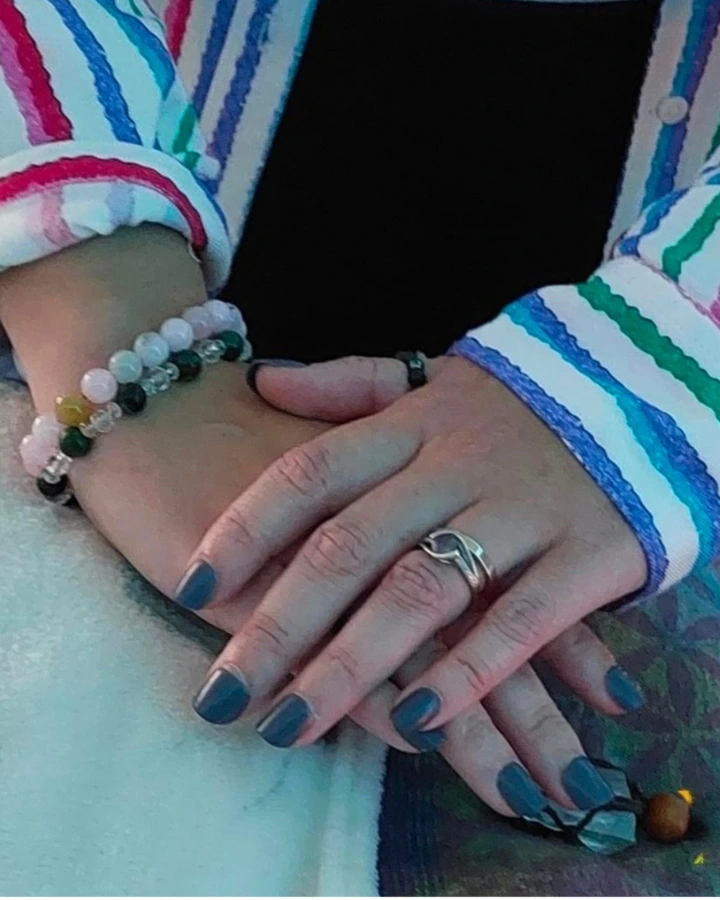
One traditional practice is Gassho, which involves bringing the hands together in a prayer-like position. It is used as a way of focusing attention and developing a calm, mindful state.
These practices remind us that Reiki isn't just something we do for other people. Our own development and understanding are important too.
3. Working with Reiki energy
A central part of Reiki practice is working with Reiki energy through the hands.
During a treatment, a practitioner will traditionally place their hands gently on or just above different areas of the body. The intention is to allow Reiki energy to flow, supporting relaxation and a sense of balance.
The recipient doesn't need to do anything special. They can simply lie down or sit comfortably, relax and allow themselves time to experience the treatment.
4. Learning through a teacher
In the Usui Reiki tradition, learning Reiki involves receiving instruction and guidance from a Reiki teacher.
Traditionally, this includes a process known as Reiju, or what is commonly called an attunement in Western Reiki teaching. This is an important part of the learning process and is understood within Reiki practice as a way of enhancing a student's connection to Reiki.
Students learn about the principles, practices and techniques associated with their level of training. As they progress, they develop their understanding through experience, practice and guidance from their teacher.
What happens during a Reiki treatment?
A Reiki treatment is a gentle, non-invasive experience that offers an opportunity to relax and take time for yourself.
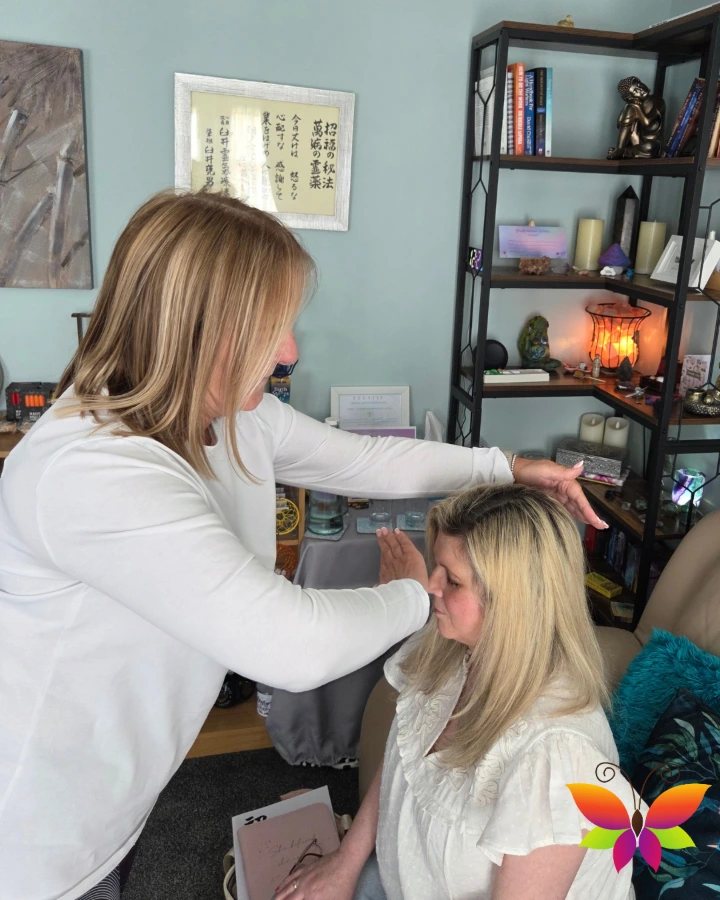
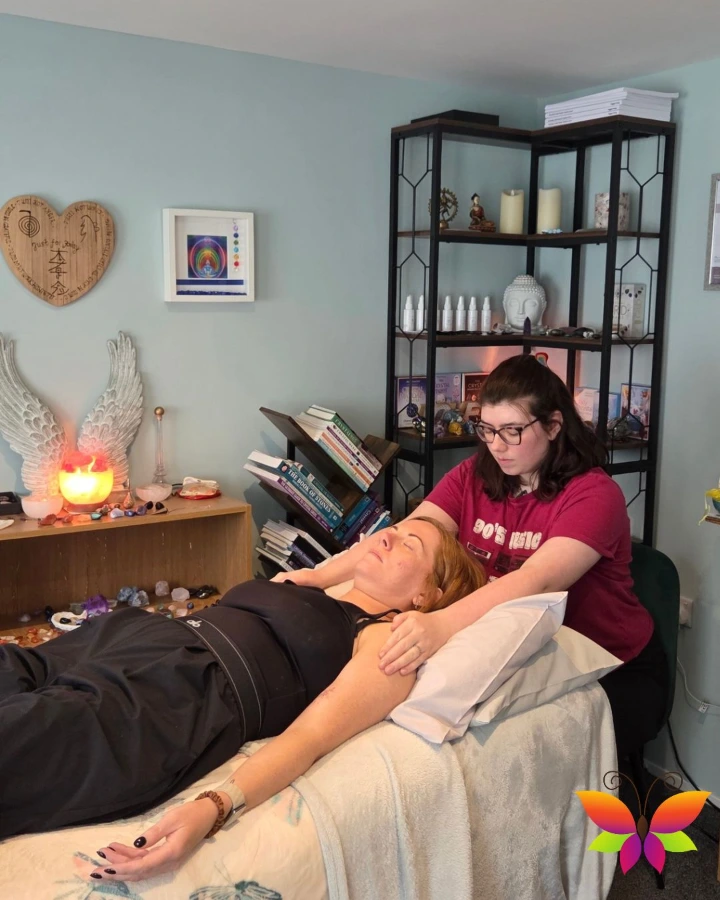
You will usually lie on a treatment couch, fully clothed, although treatments can also be given while seated. Your practitioner will place their hands gently on or just above a series of positions around the body.
There is no need to talk, concentrate or try to make anything happen. You can simply relax and enjoy the experience.
People describe their experiences in different ways. Some notice warmth, tingling or a feeling of deep relaxation. Others might experience colours or images, while some simply enjoy having time away from the demands of everyday life.
There is no right or wrong way to experience Reiki. You don't need to feel anything unusual for your treatment to be worthwhile.
At Transformational Holistics, I tailor Reiki treatments to the individual, creating a welcoming and supportive space where you can take time to relax and reconnect with yourself. These can also involve working with crystals.
Reiki is a complementary wellbeing practice. It does not replace medical advice, diagnosis or treatment, but some people choose to include it alongside their usual healthcare as part of their wider approach to wellbeing.
Step Up Your Game
Experience unparalleled comfort, cutting-edge design, and performance-enhancing
technology with this latest innovation, crafted to elevate every athlete's journey.
What is Reiki self-treatment?
One of the lovely things about learning Reiki is that it isn't something you can only experience when you visit a therapist.
Once you've completed the appropriate training, you can practise Reiki on yourself.
Self-treatment is an important part of Reiki practice. It gives you an opportunity to work with Reiki regularly, develop confidence and become more familiar with your own experience of the practice.
You might set aside a little time each morning, practise before going to bed or use your hand positions whenever you feel you need a quiet moment.
For many Reiki students, self-treatment becomes a valuable part of their personal wellbeing routine.
It also reinforces an important aspect of Usui Reiki: the practice isn't only about offering treatments to others. It begins with our own commitment to learning and personal development.
Receiving Reiki and learning Reiki – what's the difference?
You don't need to be a Reiki practitioner to enjoy a Reiki treatment.
Receiving Reiki and learning to practise Reiki are two different experiences.
Receiving Reiki
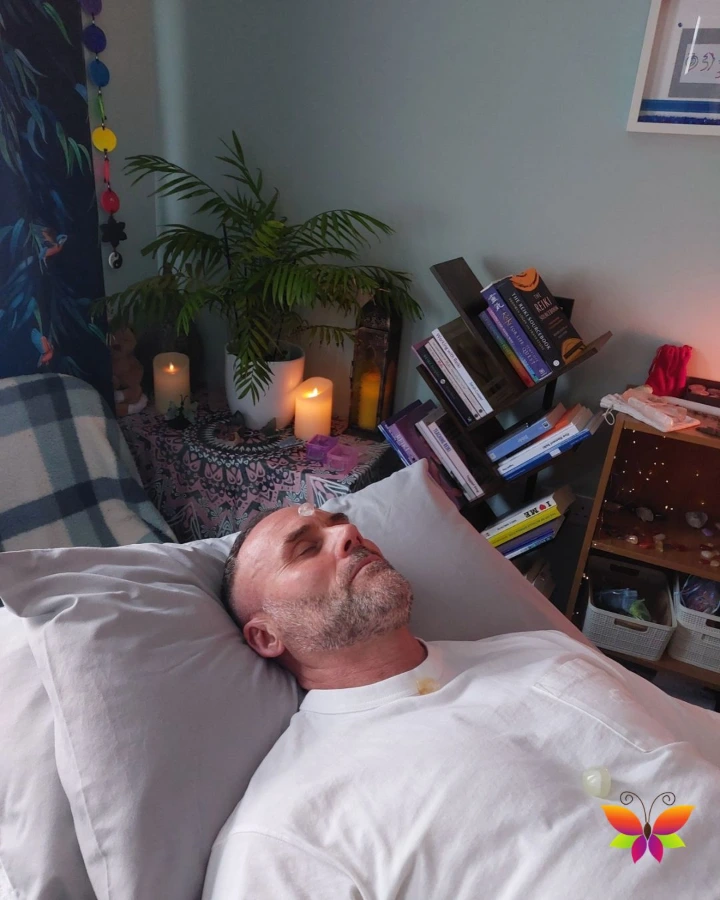
A Reiki treatment allows you to experience the practice without needing any previous knowledge or training. You simply make time for yourself and receive a treatment from a practitioner.
Learning Reiki
Reiki training introduces you to the practice so that you can work with Reiki yourself. You'll learn about its principles, history, techniques and the practices associated with your level of training.
In the Usui Reiki system, training is generally structured into different levels:
Reiki Level 1 (Shoden): An introduction to Reiki, including its history, principles, self-treatment and hands-on practice.
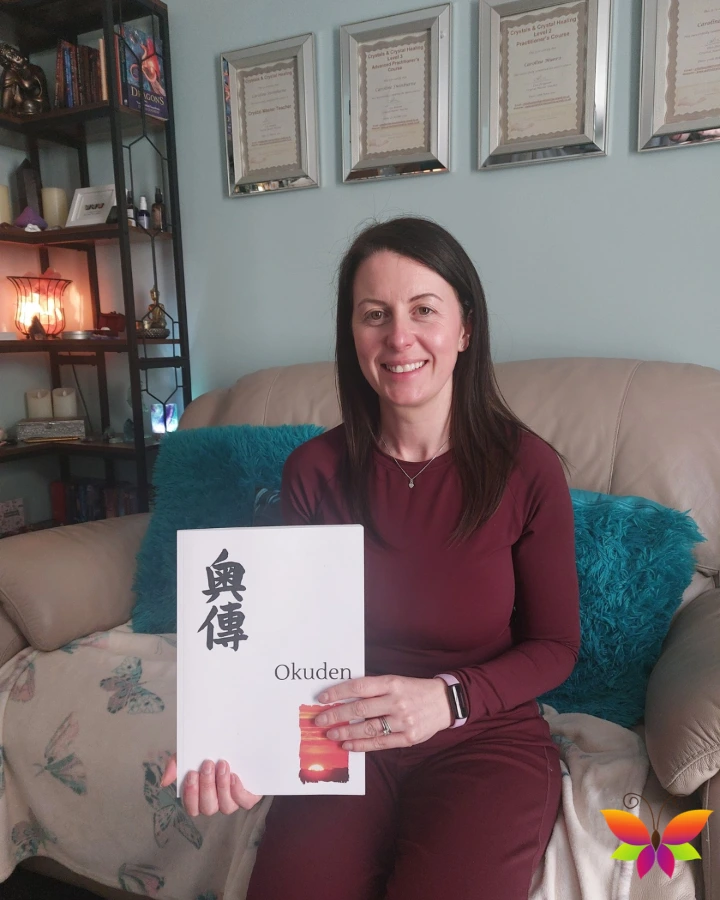
Reiki Level 2 (Okuden): Builds on the foundations of Level 1, introducing further techniques and the traditional Reiki symbols.
Reiki Master Teacher (Shinpiden): Advanced study and development, with the opportunity to learn how to teach and pass on Reiki to others. This can be separated into Master level then Teacher level.
The exact structure and terminology can vary between teachers and lineages, but the intention is to develop understanding and experience progressively.
At Transformational Holistics, I offer Reiki training from beginner level through to Master Teacher, with a relaxed and informal approach and ongoing support for students as they continue their Reiki journey.
Traditional Usui Reiki and modern Reiki practices
As Reiki has travelled from Japan to the rest of the world, it has naturally evolved.
The practice taught by Mikao Usui was developed and passed on by his students and subsequent generations of teachers. As Reiki reached the West, it was adapted and taught in ways that made it accessible to new audiences.
Over time, different styles and approaches have emerged. You may come across Reiki courses that incorporate crystals, angels, chakras, colour therapy, sound, intuitive work or other spiritual practices.
These may be meaningful additions for the people who practise them, but they aren't all part of the original Usui system.
For example, working with crystals alongside Reiki can be a lovely complementary approach, but crystal work is a separate practice rather than a requirement of traditional Usui Reiki.
There is nothing wrong with exploring different approaches, provided we understand the distinction between the traditional teachings and the additional practices that have developed over time.
My own work with Transformational Holistics includes both Reiki and crystal therapies, and I value the opportunity to explore them individually as well as alongside one another.
Understanding the roots of Reiki helps us appreciate the traditions from which it developed, while recognising that it continues to be practised in many different ways today.
How can Reiki fit into everyday wellbeing?
You don't have to make major changes to your lifestyle to introduce Reiki into your life.
If you receive treatments, you might choose to make them part of your regular wellbeing routine, giving yourself time to relax and step away from everyday pressures.
If you learn Reiki, you can develop your own practice through self-treatment, meditation and reflection on the Five Reiki Principles.
You might also find that the principles encourage you to approach everyday situations differently, becoming more aware of how you respond to challenges, how you treat others and how you look after yourself.
For me, this is one of the most valuable aspects of Reiki. It offers more than a treatment experience. It introduces a way of thinking about our wellbeing, our personal development and the importance of making time for ourselves.
Is Reiki right for you?
Whether you're curious about experiencing your first Reiki treatment, interested in learning Reiki or simply want to understand more about this traditional Japanese practice, there's plenty to explore.
You don't need to have any spiritual beliefs or previous experience to receive a treatment. And if you're interested in learning Reiki, you don't need to have any special abilities or prior knowledge to begin.
Reiki is something you can explore at your own pace, developing your understanding through learning and personal experience.
I hope this introduction has helped you understand a little more about where Reiki came from, the teachings of Mikao Usui and how the practice has developed into what many people recognise today.
Continue your Reiki journey
This is the first article in my new Reiki Mondays series, where I'll be sharing informative articles every Monday about Reiki history, teachings, principles and practices.
Next week, I'll be exploring The Five Reiki Principles: Finding Balance in Everyday Life, looking at how the Gokai can help us approach everyday situations with greater awareness, particularly as we move into the busy festive season.
If you'd like to experience Reiki for yourself or find out more about learning Reiki, you can explore treatments and training courses at Transformational Holistics.
Thank you for joining me for the first Reiki Monday. I look forward to sharing more with you.
Caroline Swinburne